Latest summaries
2,691 summaries and insights, newest first.

Spirituality and religion are not the same thing, and why it matters
Andrew Newberg defines spirituality apart from religion, Peterson treats God as a unifying idea and call to adventure, and Brooks describes faith as practice. Separating the two lets readers draw on spiritual tools whatever their beliefs.
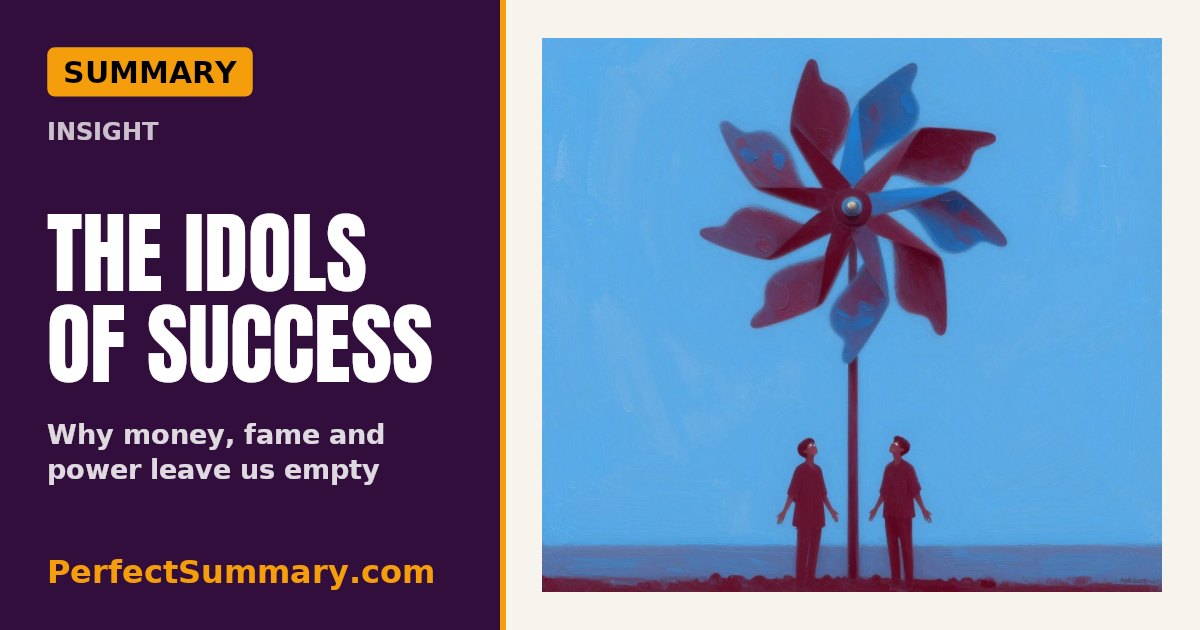
The idols of success: why money, fame and power leave us empty
Arthur Brooks's four idols, Khabib's warning about the trap of success, Peterson's lure of power and Oprah's sense that there's got to be more all point to the same danger. Recognizing these idols helps readers aim for meaning and humility instead of chasing the next win.
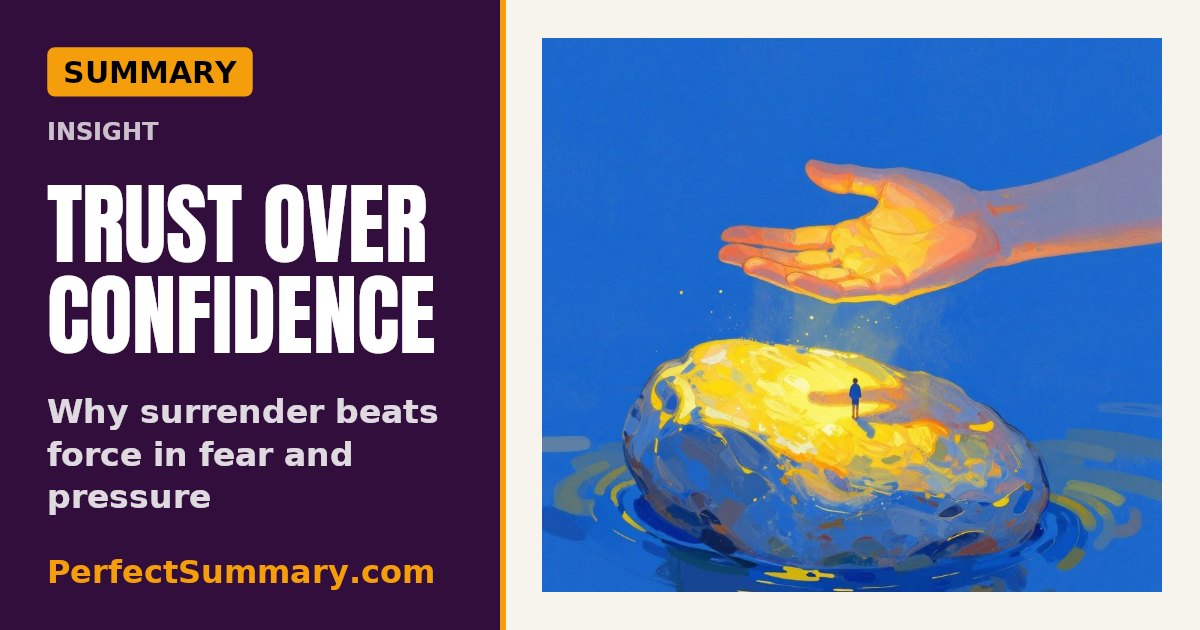
Trust over confidence: why surrender beats force in fear and pressure
Oprah Winfrey, Tal Wilkenfeld, Khabib Nurmagomedov and Sam Harris all describe meeting fear by letting go rather than gripping harder, whether on stage, in a fight or in meditation. It reframes surrender as a skill for performing under pressure, not a form of giving up.
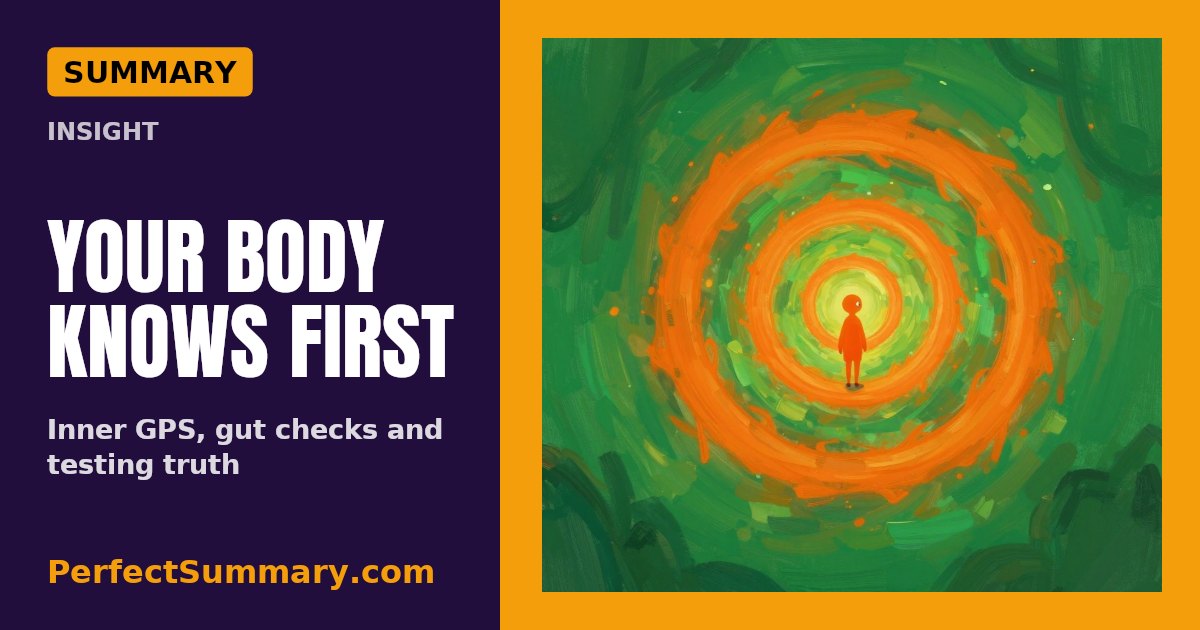
Your body knows first: inner GPS, gut checks and testing truth
Oprah's internal GPS, Martha Beck's body-based truth testing, Paulo Coelho's treasure inside you and Jordan Peterson's idea of conscience all treat an inner signal as the best guide to purpose. Learning to notice that signal gives readers a practical way to make decisions that feel right, not just look right.

The Secret
Rhonda Byrne's blockbuster guide to the law of attraction, which teaches that your thoughts and feelings draw matching experiences into your life, and offers ask, believe, receive as the way to use it.

The 5AM Club
Robin Sharma's fable of a burned-out entrepreneur, a stuck artist and an eccentric billionaire makes the case that owning your first hour can transform your whole life.

Thinking, Fast and Slow
Nobel laureate Daniel Kahneman shows how two modes of thought, a fast intuitive one and a slow deliberate one, shape our judgments and choices, and how to catch the mistakes the fast one makes.

Jo Koy on Rejection, Relentless Hustle, and Why You Win When You Fail
Jo Koy tells Lewis Howes how bombing, rejection, and saying yes to every gig built a stand-up career, from BET's ComicView to SoFi Stadium.

Vivian Tu on How to Stop Living Paycheck to Paycheck and Finally Get Ahead
Vivian Tu (Your Rich BFF) shares systems for saving, paying off debt, negotiating raises, retirement, home buying, and money talks with partners.

Michael Pollan on Consciousness, Plant Intelligence, Psychedelics, and Caffeine
Michael Pollan and Andrew Huberman on what plants, microbes, and psychedelics reveal about consciousness, the self, food politics, and caffeine.

FFmpeg and VLC with Jean-Baptiste Kempf and Kieran Kunhya: Codecs, Assembly, and the Volunteers Behind Internet Video
VLC's Jean-Baptiste Kempf and FFmpeg's Kieran Kunhya explain codecs, handwritten assembly, open source ethics, and who keeps internet video running.

Don Lincoln on the Biggest Mysteries in Physics: Unification, the Higgs, Antimatter, Dark Energy, and Dark Matter
Fermilab physicist Don Lincoln covers physics' unifications, the Higgs hunt, antimatter, dark energy and dark matter, and why a theory of everything is far off.
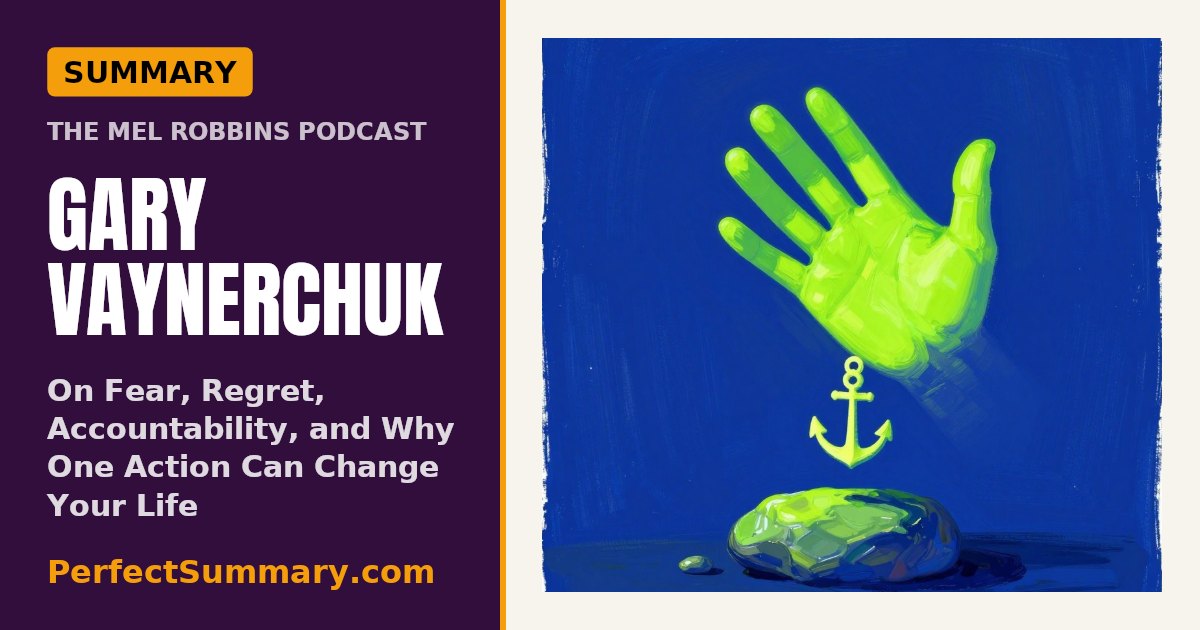
Gary Vaynerchuk on Fear, Regret, Accountability, and Why One Action Can Change Your Life
Gary Vaynerchuk tells Mel Robbins why blame, envy, and other people's opinions keep you stuck, and how one action can change your life.

Dr. Kelly McGonigal on 7 Built-In Resources for Joy, Hope, and Feeling Like Yourself Again
Stanford psychologist Kelly McGonigal shows Mel Robbins seven free inner resources that bring back joy, hope, and connection when life is hard.

Jonathan Haidt on Quick Dopamine, Boys vs. Girls, and the Two-Week Reset for Focus and Motivation
Jonathan Haidt explains how quick dopamine affects boys and girls differently, and the simple habit changes that can bring focus back within weeks.

Dr. Ralph Adolphs on the Neuroscience of Emotions and How to Regulate Them
Caltech's Ralph Adolphs on what emotions are, why faces mislead us, and trainable regulation tools like ice baths and mental stillness.

Anthony Kaldellis on the Roman Empire That Never Fell: Byzantium, Power, and 2,200 Years of Roman History
Historian Anthony Kaldellis explains why Byzantium was simply the Roman Empire, and how taxes, consent, and constant revolt kept it alive for centuries.

Can a pill slow aging? Sinclair's optimism versus Attia's skepticism
Sinclair frames aging as a treatable disease and is bullish on resetting cellular age, while Attia's reviews of metformin and NAD boosters find the evidence much weaker than the hype. Seeing both views side by side helps readers judge whether expensive longevity compounds are worth their money yet.

Eating less, living longer: fasting, mitophagy and cellular cleanup
Sinclair and Palmer both describe how periods without food trigger cellular repair processes such as mitophagy, which clears out damaged mitochondria. This gives a biological rationale for fasting beyond weight loss, though the guests differ on how far to take it.

Food first, supplements second, with one micronutrient caveat
Attia and Mosconi stress that supplements cannot make up for poor diet, sleep and exercise, while Rhonda Patrick argues that common deficiencies in magnesium, vitamin D and omega-3s are worth correcting directly. Together they suggest a sensible order: fix foundations, then fill documented gaps.

Good stress, bad stress: why brief discomfort slows aging
Cold exposure, fasting and hard exercise act as short, acute stressors that trigger repair, while Epel shows that chronic psychological stress speeds up cellular aging. Knowing the difference explains why some discomfort is protective and some is corrosive.

Hormones and longevity: menopause, optimization and where experts draw lines
Mosconi links menopause to women's Alzheimer's risk, while Attia and Koniver discuss hormone optimization as a longevity lever with differing enthusiasm. Midlife hormone changes turn out to matter well beyond fertility and deserve informed attention.

Mind over aging: how stress, belief and trauma change your biology
Langer's mindset studies, Attia's reading of placebo research, Epel's telomere findings and Attia's account of trauma all show psychological states producing measurable physical effects. Treating emotional health as part of longevity work, rather than a separate soft topic, follows directly from this evidence.

Mitochondria are at the center of aging, mood and stress
Palmer links mitochondrial function to mental illness, Epel ties chronic stress to mitochondrial damage and Sinclair lists mitochondrial dysfunction as a hallmark of aging. These separate lines of work converge on one target that diet, exercise and stress management all influence.