Insights
One specific point per article, drawn from what several experts said across different podcasts: where they agree, where they don't, and what to do with it. Every claim links back to the episode it came from.
Short on time? Cheat sheets and flashcards for the insights.
FiltersFaith and SpiritualityForeign PolicyMeditation and Spiritual PracticeClear
Pick as many as you like: any of them matches within a group.
8 insights

How should the Ukraine war end? A historian, an ex-CIA officer and politicians disagree
Serhii Plokhy frames the war as the last act of a collapsing Russian empire, while Mike Baker, Lex Fridman and Vivek Ramaswamy weigh peace talks, Zelensky's position and whether America should push for a quick settlement. Laying their views side by side shows what each path to peace assumes and what it risks.

Gaza seen three ways: disruption strategy, endless war and rising antisemitism
A former CIA officer reads Hamas's attack as deliberate disruption, Dave Smith criticizes US backing of the war while warning about antisemitism, and Ian Carroll questions Israel's influence. Seeing the competing frames helps readers understand why the conflict divides even like-minded people.

Organic uprisings or engineered ones? Paid protests and political warfare
Guests question how spontaneous some protests and revolutions really are, pointing to funding networks, NGOs and state programs that organize political pressure at home and abroad. Knowing the signs of an engineered movement helps readers judge events without being manipulated.

Restraint or engagement? The fight over America's role in endless wars
Dave Smith and Ian Carroll argue the terror wars and interventions like Yemen were costly mistakes driven by interests, while Mike Baker takes a pragmatist's view and Vivek Ramaswamy calls for a mission-first defense policy. Comparing them clarifies the real choices behind slogans like America First.

Title 50 and presidential findings: how American covert action really works
Guests trace how the CIA was built and how covert operations, up to assassination as a third option, are authorized, and sometimes carried out without a formal presidential finding. Understanding the legal machinery shows how much foreign policy happens out of public view.
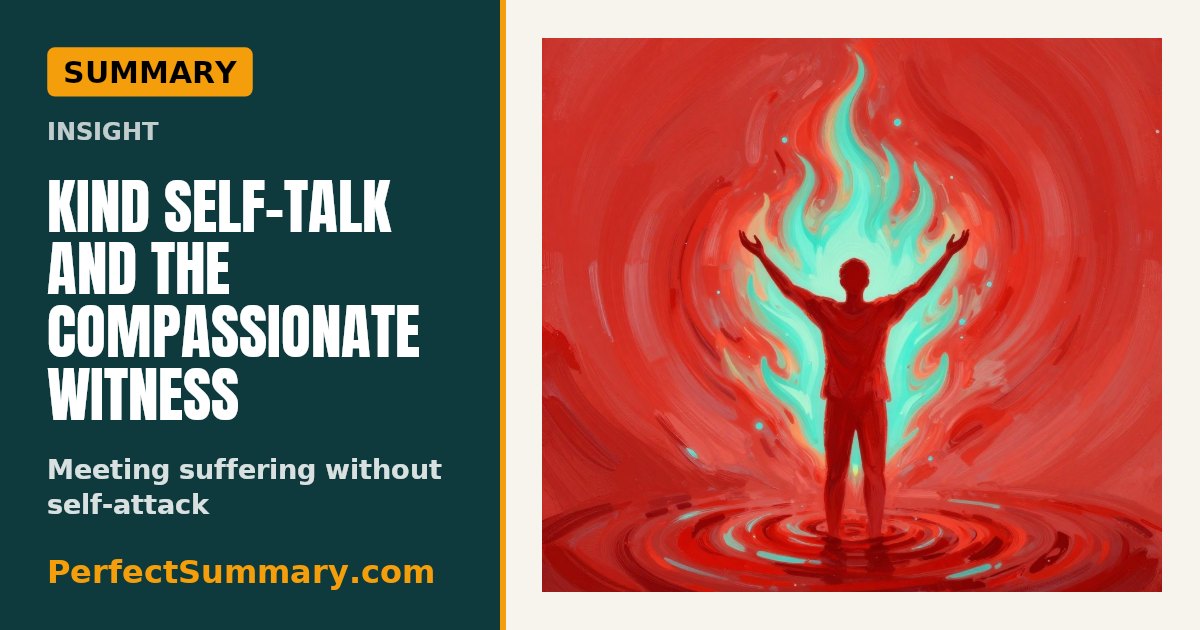
Kind self-talk and the compassionate witness: meeting suffering without self-attack
Martha Beck's compassionate witness and kind internal self-talk, Harris's practice of not identifying with the inner monologue, and Oprah's new definition of forgiveness all soften how we relate to our own pain. It offers readers a concrete alternative to harsh self-criticism.

Losing the self: what meditation, psychedelics and brain scans reveal about ego
Sam Harris, Michael Pollan and neuroscientist Andrew Newberg all describe spiritual experience as a loosening of the ordinary sense of self, whether through meditation, psychedelics or prayer. Seeing the pattern helps readers understand why such different practices produce similar feelings of awe and connection.
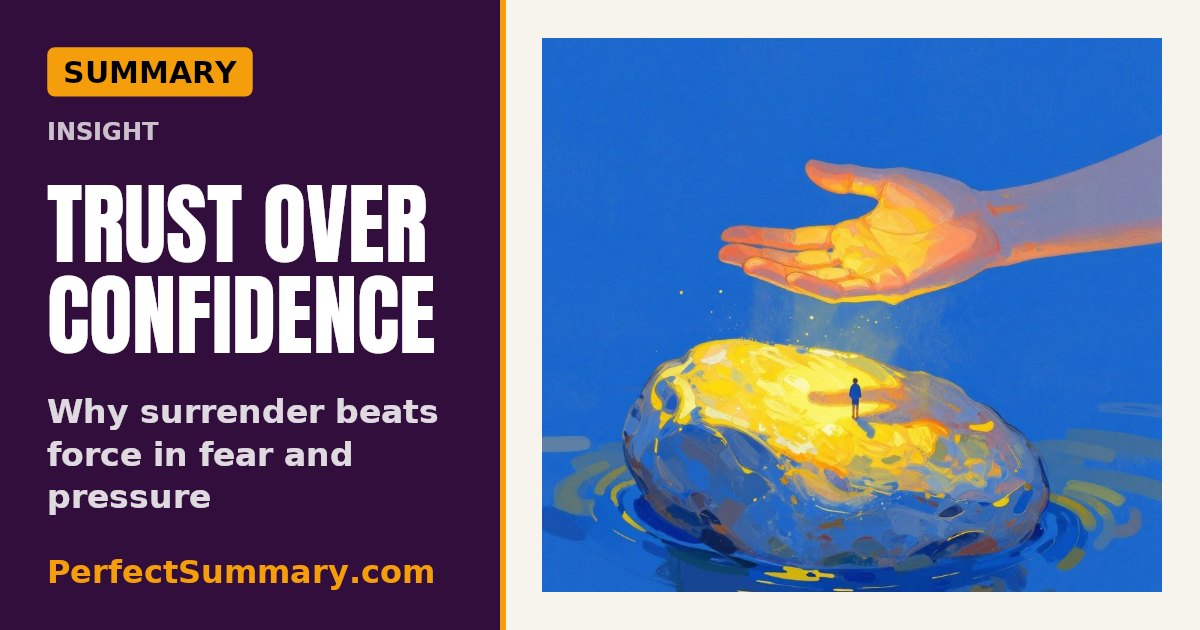
Trust over confidence: why surrender beats force in fear and pressure
Oprah Winfrey, Tal Wilkenfeld, Khabib Nurmagomedov and Sam Harris all describe meeting fear by letting go rather than gripping harder, whether on stage, in a fight or in meditation. It reframes surrender as a skill for performing under pressure, not a form of giving up.